

Today I will help you to discover an archaeological area on the outskirts of Rome, still partly to be excavated, which has recently been the focus of a valuable redevelopment effort to allow anyone to visit it. I am talking about Gabii, an ancient center located just a few kilometers outside the Raccordo Anulare, along the Via Prenestina. Closely linked with ancient Praeneste (Palestrina), you will be intrigued by how Gabii has always been present in the history of Rome, even in its earliest days. So follow your local tour guide in Rome in this brief overview of what you can find here in Gabii.
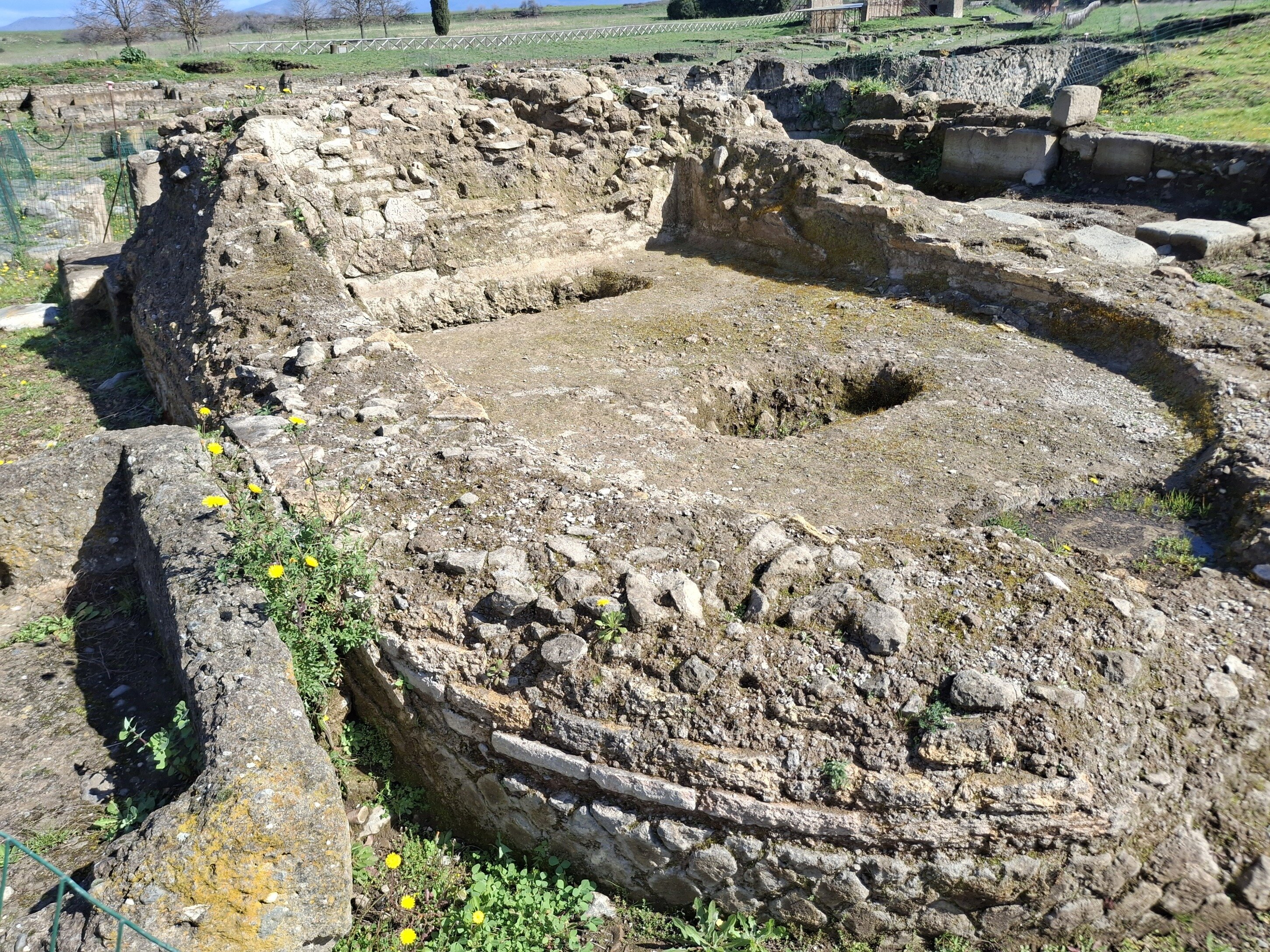
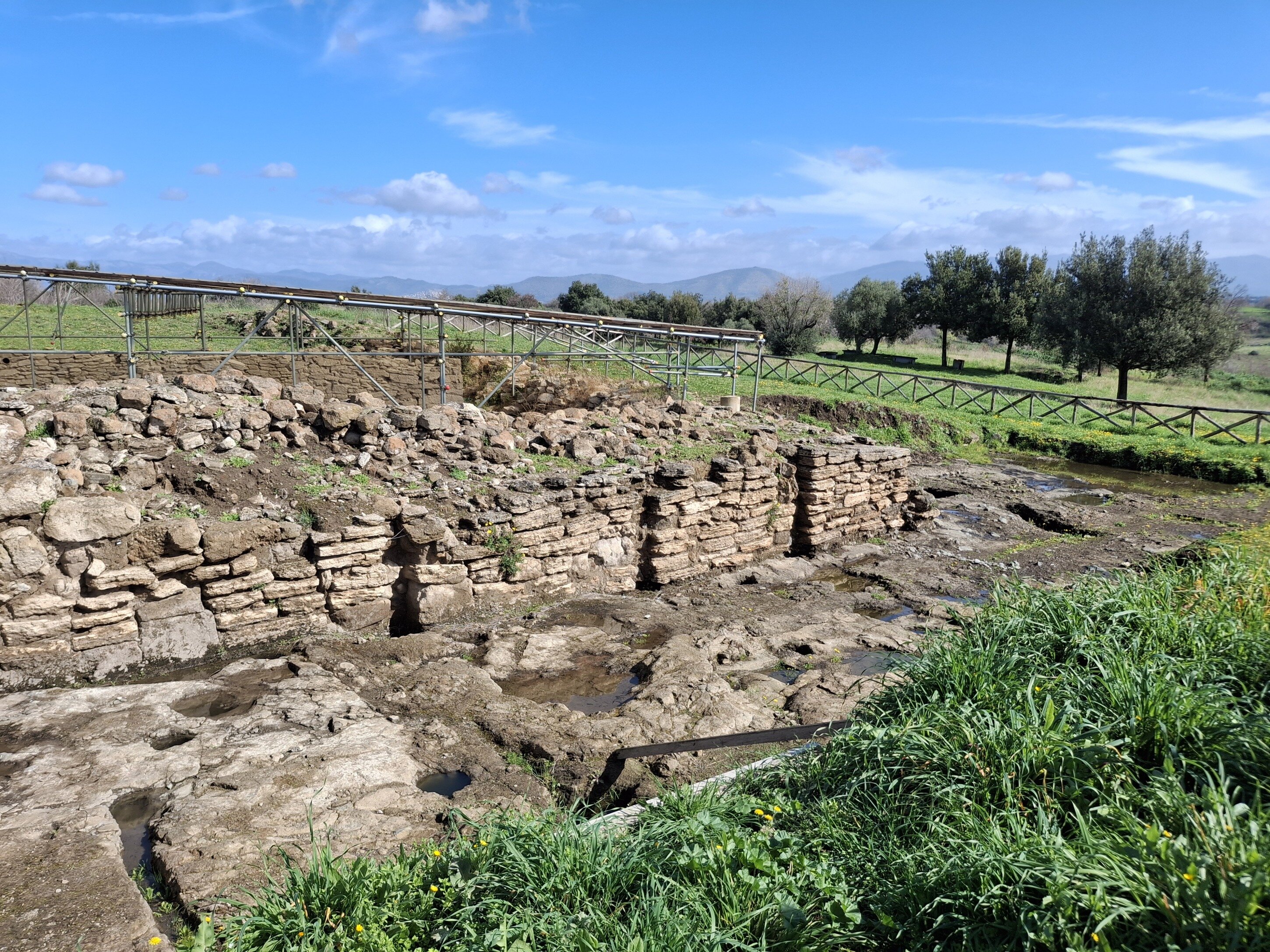
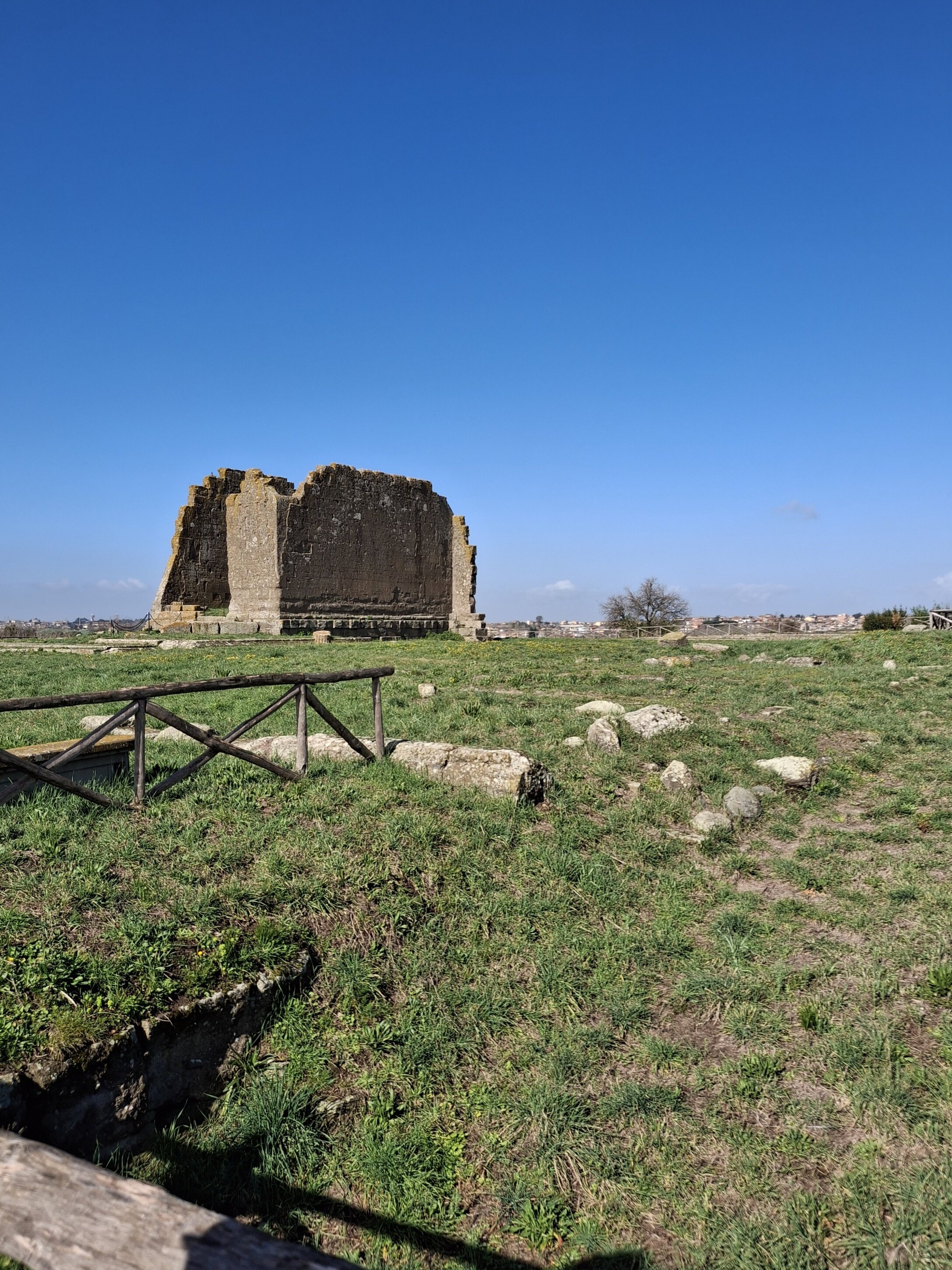
Let's start from the fact that we are talking about an archaeological area covering 70 hectares, and both the north and south parts are still completely unexcavated. This is an area where, at the end of the eighteenth century, the archaeologist Hamilton found numerous works of Roman statuary, now also displayed at the Louvre. The actual excavations are mainly thanks to the Borghese family, who had many interests in the area. Note, in fact, that geologically speaking Gabii (and its archaeological area) sits on a small hill overlooking a valley where, until the early nineteenth century, there was a small lake. This small lake was drained by the Borghese to reclaim land that was later divided up. Business, in short. Today, the remains are few but still very interesting. There are remnants of public and private buildings, clear examples of how Gabii's road layout is not the classic Roman one, since the presence of many small streets cutting diagonally through the area suggests that Gabii was divided into well-defined blocks, showing how advanced this center was. And we are talking about an urban conglomerate dating back at least to the 8th century BC, a key point in the area if it is true, as ancient sources tell us, that Romulus and Remus came here to be educated, especially culturally. After all, what remains gives us an idea of what Gabii must have been like, which was already surrounded by walls in the 8th century BC, with clear evidence of renewal dating to the 6th century BC. There are remains of an ancient sanctuary, from which, among other things, a tufa corridor has been found (and is now clearly visible), a very rare case, which was probably the oracular passage used by priests to enter the cell of the temple. All hidden from the faithful who, as we know, when visiting an oracular sanctuary to obtain various prophecies, probably also used partially hallucinogenic substances to enhance the experience. Not to mention the remains of a tripartite building reminiscent of the very ancient Regia of Rome, built in the Roman Forum. A space excellently preserved because it was found completely buried by stones and by a retaining wall, as if the building had been deliberately entombed. Why? Perhaps because, according to legend, the son of Tarquin the Proud, hosted by Gabii, ordered the execution of all the local leaders and aristocrats to seize power.
Notice, then, how Gabii is connected to Rome in many ways. After all, it is said that when Rome was, Gabii had already been. And perhaps this is a great way to understand how an archaeological area like this, which certainly needs further excavation campaigns, could hold many surprises in the future. There are areas, such as the so-called Hamilton Forum (which was not the city's main square but probably the local seat of the augustales, those who promoted the cult of the Roman emperors), that can enchant with the remains of frescoes still present today. I invite you to visit Gabii, because it truly deserves it.