

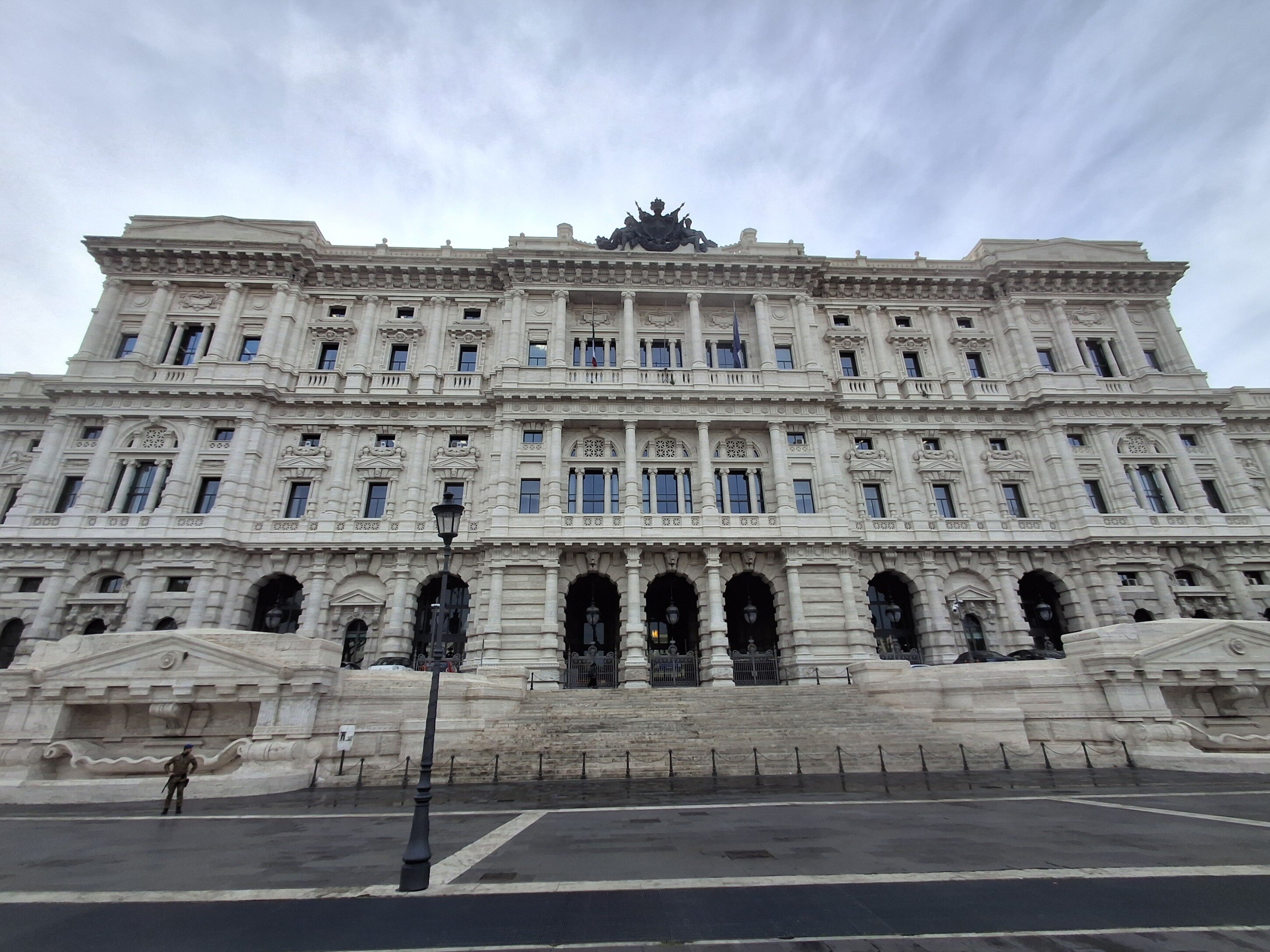
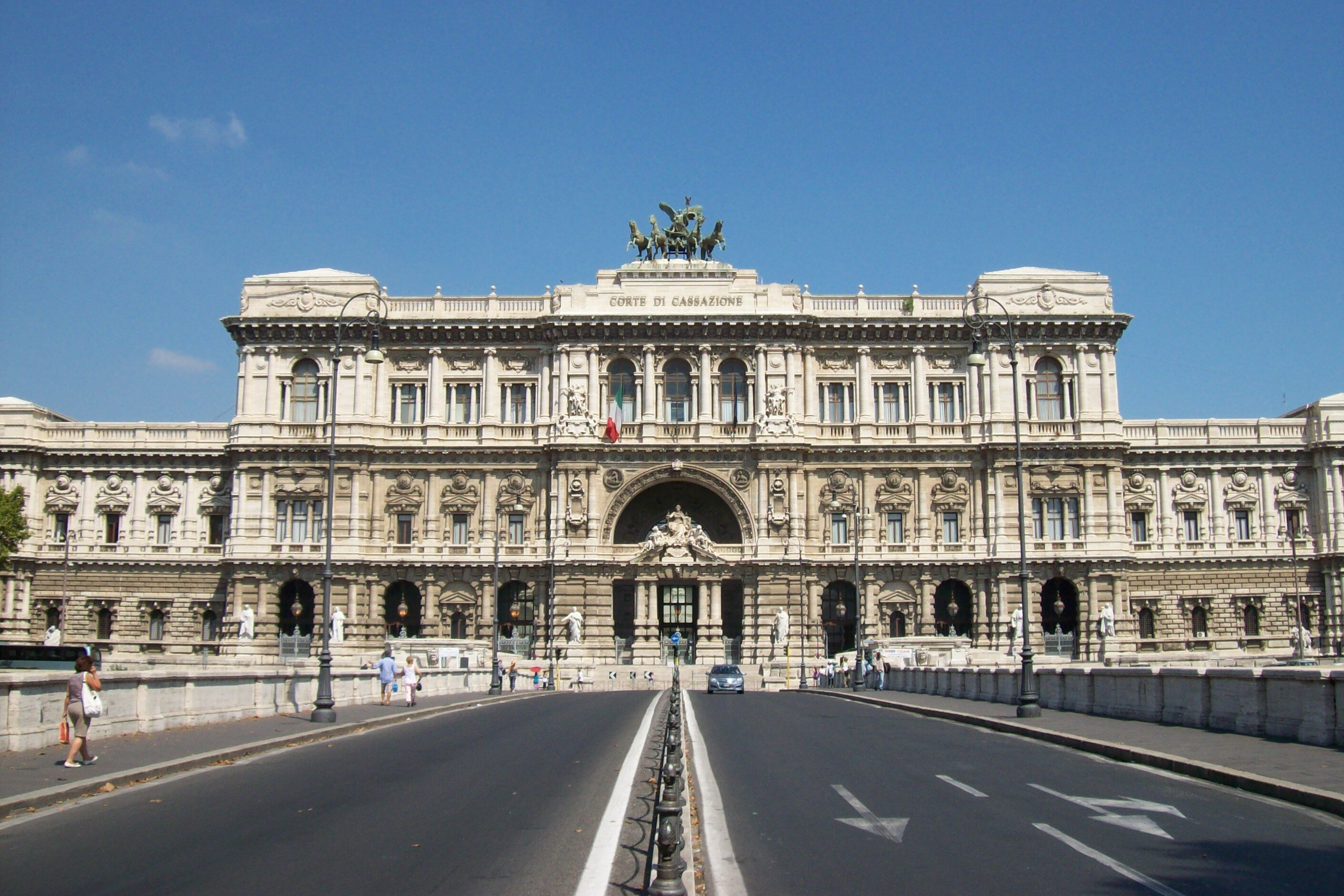
This is the impressive facade of the Palace of Justice in Rome, also home to the Supreme Court of Cassation, one of the symbols of the city that, since 1871, became the Capital of the Kingdom of Italy. A young capital at the time, perhaps not suited to sustain this new political status, and it is for this reason that the Kings and the Government inaugurated several construction sites around the city to make it modern and worthy of being a capital. After all, that was a fervent period for construction, also driven by private interests that could take advantage of sometimes rather lax urban planning rules, but it is certain that the last decades of the nineteenth century reshaped the face of Rome. Think of the Opera House, the Termini Station or the Vittoriano, just to get an idea. And today your tour guide in Rome takes you to discover a building that is not only iconic but also has a troubled past.
Among the new palaces of power built at the time, the Palace of Justice is worth mentioning, constructed between 1880 and 1911, the year of its opening, coinciding with the celebrations for the fiftieth anniversary of the Unification of Italy (the same fate befell the Altar of the Fatherland, for example). Designed by architect Guglielmo Calderini, the first stone was laid on March 14, 1880, the birthday of King Umberto I, who, along with his consort Queen Margherita, attended the ceremony in grand style. The entire palace is clad in travertine, and the facade features eight bronze sculptures representing jurists of the past, from Cicero to Giovanbattista Vico. Somewhat following in the footsteps of ancient Roman basilicas, like the Basilica Iulia, which were adorned, through decorations and ornaments, with their civil and judicial function. The top of the palace, however, is surmounted by a huge bronze quadriga designed by Ettore Ximenes. A way to open a sort of historical bridge between the triumphs of ancient Rome (as you can read here) and the new possibilities and paths opened by the new Rome, as the Capital of Italy. A bridge between past and present that is never lacking in the Eternal City. However, let's move on to the painful notes... The Palace of Justice is located right next to the Tiber, and consequently, the ground on which it stands is of an alluvial nature. For this reason, the entire building stands above a large concrete platform. All this, however, evidently did not help much if it is true that, shortly after the inauguration, several structural settlements were noticed due to the unstable ground. In 1970, the restoration work was heavy and costly. This is one of the reasons that led the Romans and others to find a nickname for the Palace of Justice: Palazzaccio!
The stability problems, the enormous size (like all the great institutional buildings constructed at the time), the symbol of justice it represents, and even the various suspicions of corruption or improper acts related to its construction (there was even a parliamentary inquiry in 1912), indissolubly link this nickname to the building today. Perhaps a pity if we consider how, in the end, the Palace of Justice in Rome does nothing but represent, as in other cases, the new path undertaken by the Eternal City!