

The Basilica of San Pietro in Vincoli in Rome, located a few steps from the Colosseum, has not only amazing monuments and treasures but, at times, also small but curious gems. I told you about it last week, as you can read here. I showed you the wonders of the basilica , such as Michelangelo 's Moses, but also the extraordinary relics present here. Now, though, it's time to talk about something a little more specific that I'm sure will amaze you. Follow your local tour guide on this new journe .
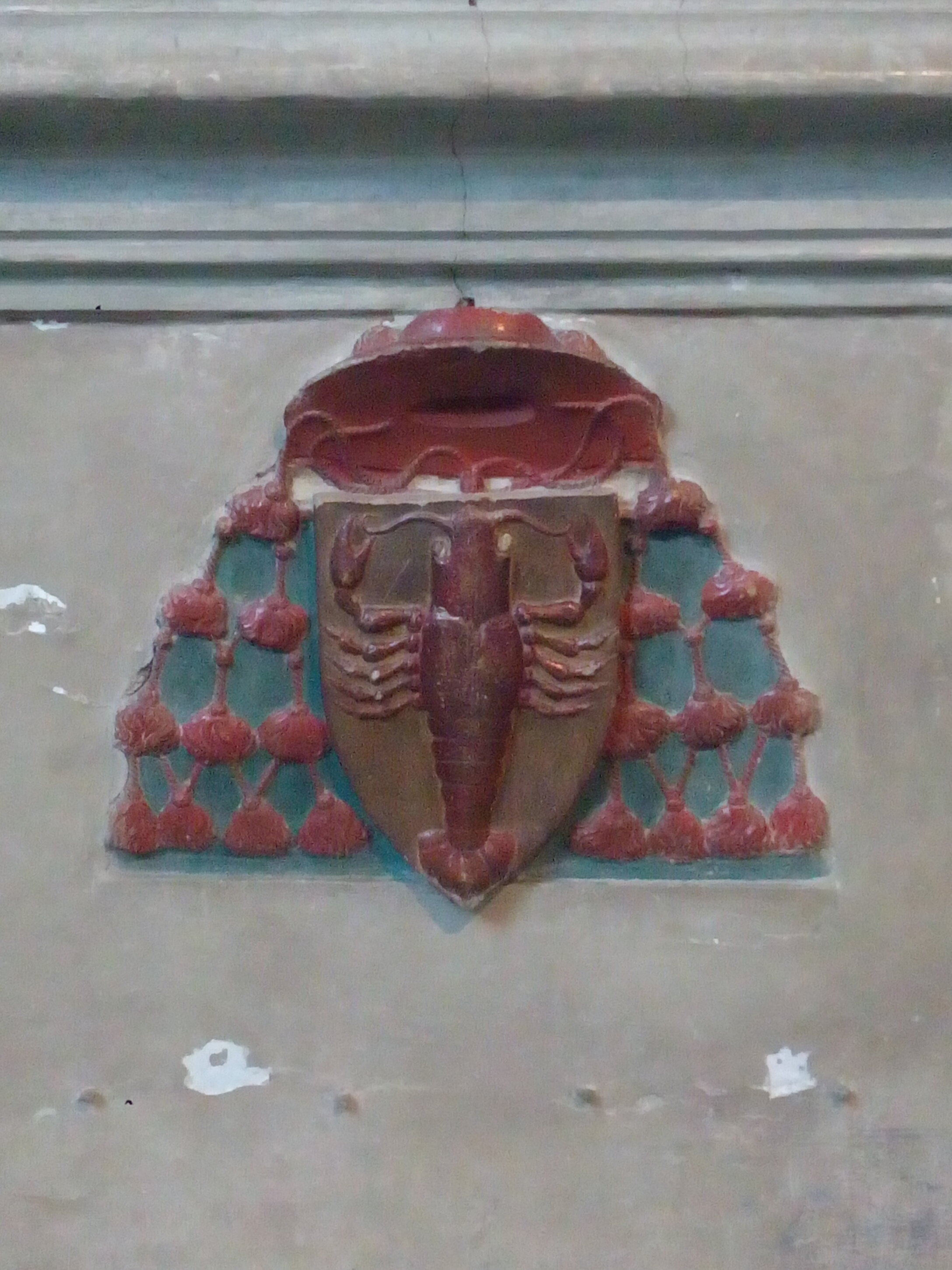
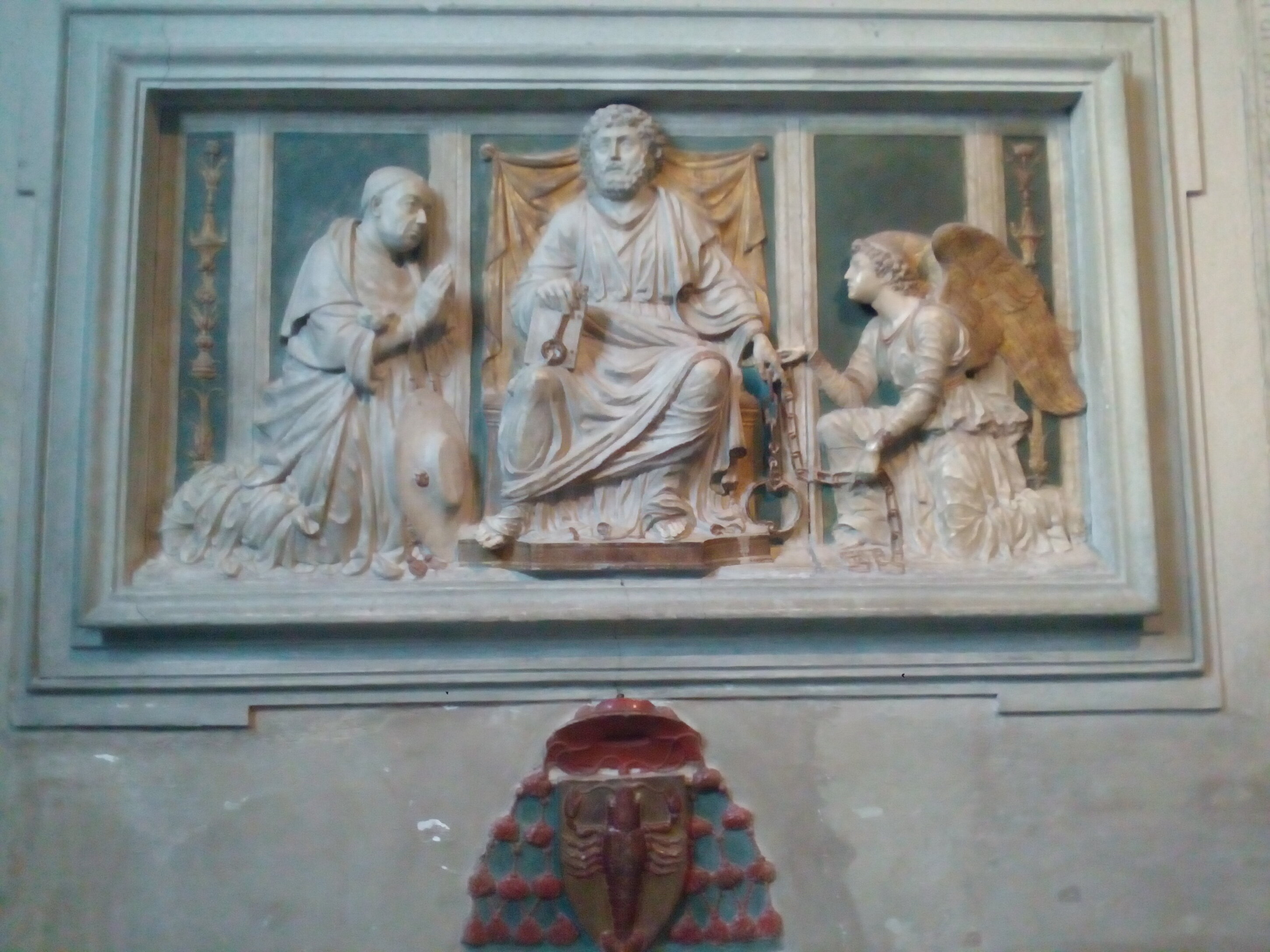
Enter the basilica. Immediately after the entrance on the left, you will notice a marble bas-relief, an Andrea Bregno's masterpiece. Artist and sculptor of the fifteenth century, he gave proof of himself on numerous occasions in Rome (his creations can be found in San Marcello al Corso and Santa Maria del Popolo). For the record, his funeral monument, very interesting, is located inside the Church of Santa Maria sopra Minerva (here you can read its description and history). At the center of this beautiful relief we observe St. Peter and his keys seated on the throne. Furthermore, his left hand tightens the chains that are the protagonist of the basilica, as the chains that, according to tradition, would have held St. Peter's when he was in prison are kept inside the church. On the left of the saint, then, there is an angel, while on his right we find the prelate to whom the bas-relief is dedicated: Nicola Cusano, cardinal regent of the chair of San Pietro in Vincoli from 1448 to 1464. The very curious thing is that below the funeral monument we find a... lobster! Why such a thing? Nicola Cusano, in reality, was only the Italianized name of the prelate born in Kues, Germany. His real name was Nikolaus Krebbs. And lobster enters the scene now, as kreb in German means... lobster!
The cardinal's hat, in the classic red color, completes the sculptural composition. It is certainly interesting to note how sometimes inspiration, to an artist as to anyone else, can come in an absolutely natural way. Many noble families, of Roman and non-Roman origins, had coats of arms adorned with animals (such as the eagle and the dragon of the Borghese), but in this case we have a real pun. Something capable of creating a small sculptural gem that certainly makes Rome even more interesting to discover...