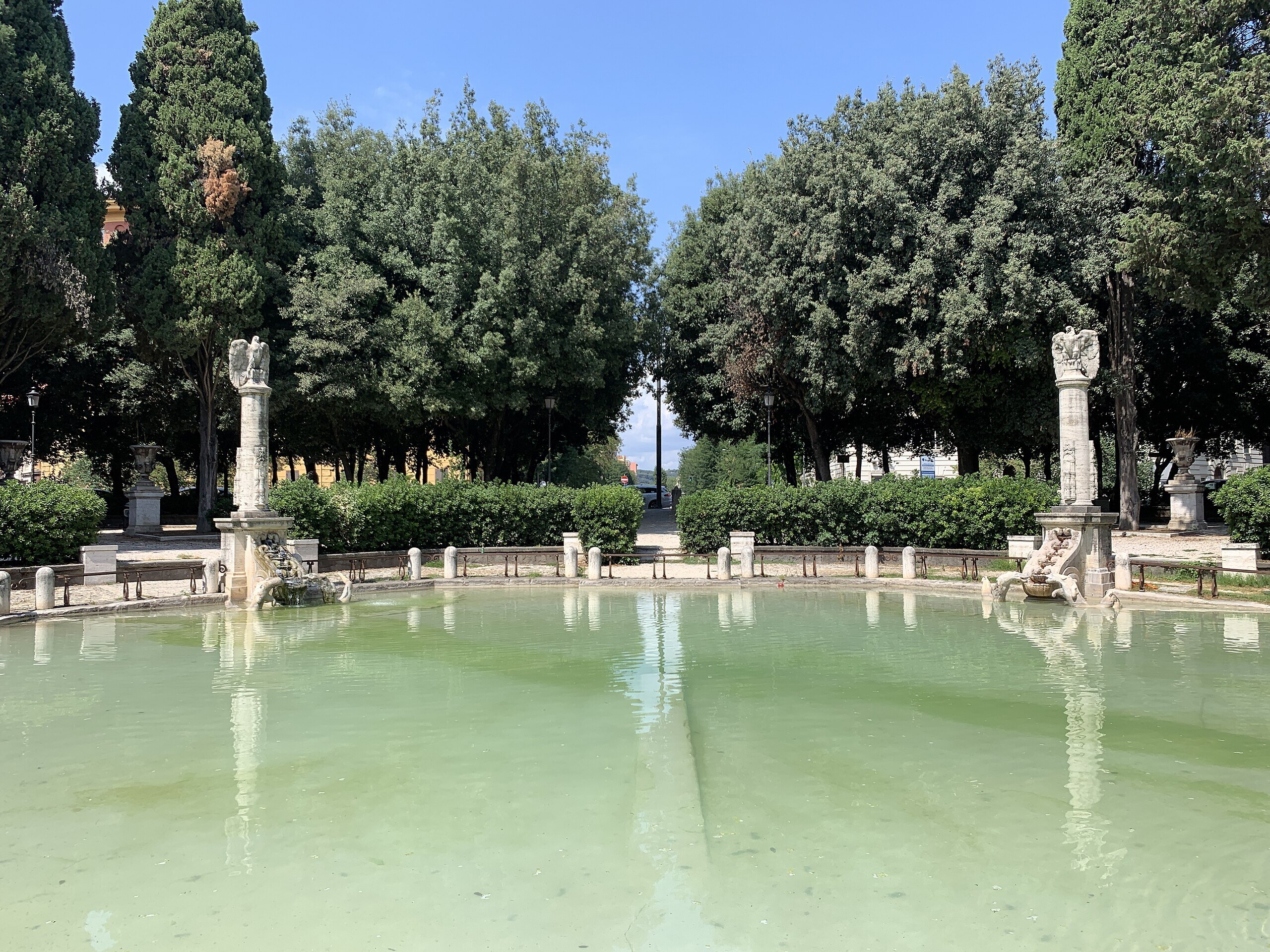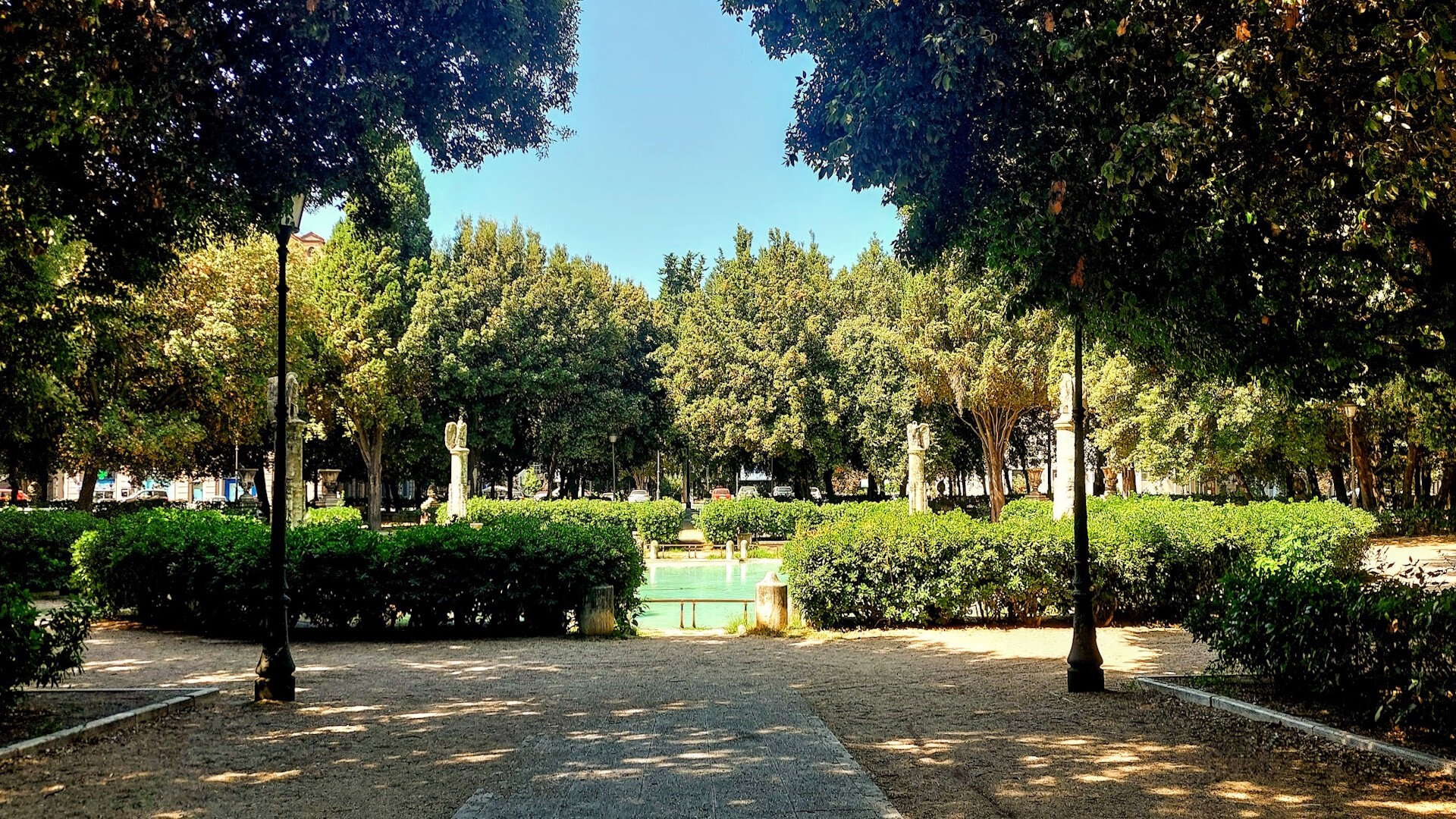
Once, the area known as Piazza Mazzini and its surroundings was called Piazza d'Armi. Here, especially between the nineteenth and twentieth centuries, many events captured the collective imagination of Romans and beyond. Let's discover them together with your local tour guide in Rome
Did you know, for example, that Rome had the honor of hosting the extraordinary show of a man who made history, not once but twice? I'm talking about the famous Buffalo Bill, who brought, in his own way, a bit of the new American culture of the time. His grand show was a mix of what you might expect to find in a circus and a zoo combined, along with that unmistakable American atmosphere. Picture a huge tent filled with many performances featuring, among other things, wild horses, cowboys, and Native Americans. It's interesting that, if you don't want to take my word for it, there are photos from that era capturing the arrival of the Far West, brought by Buffalo Bill, right here in Rome. Just go to Caffè Greco (hoping that, in the meantime, the situation of the historic café gets sorted out) and admire a black and white photo showing Buffalo Bill and two Native Americans, splendidly dressed in their traditional clothes and the inevitable feathered headdresses. Truly colorful and unique characters, who caused quite a stir here in Rome. It was 1890, when the Urbe had just become the center of the new Kingdom of Italy, a city beginning to open up to the world, hosting incredible events that deserve to be remembered and told. For this, just take a small leap in time and land in 1911, precisely on April 21st (the Birthday of Rome), to admire the Ethnographic Museum that was inaugurated here in Piazza d'Armi.
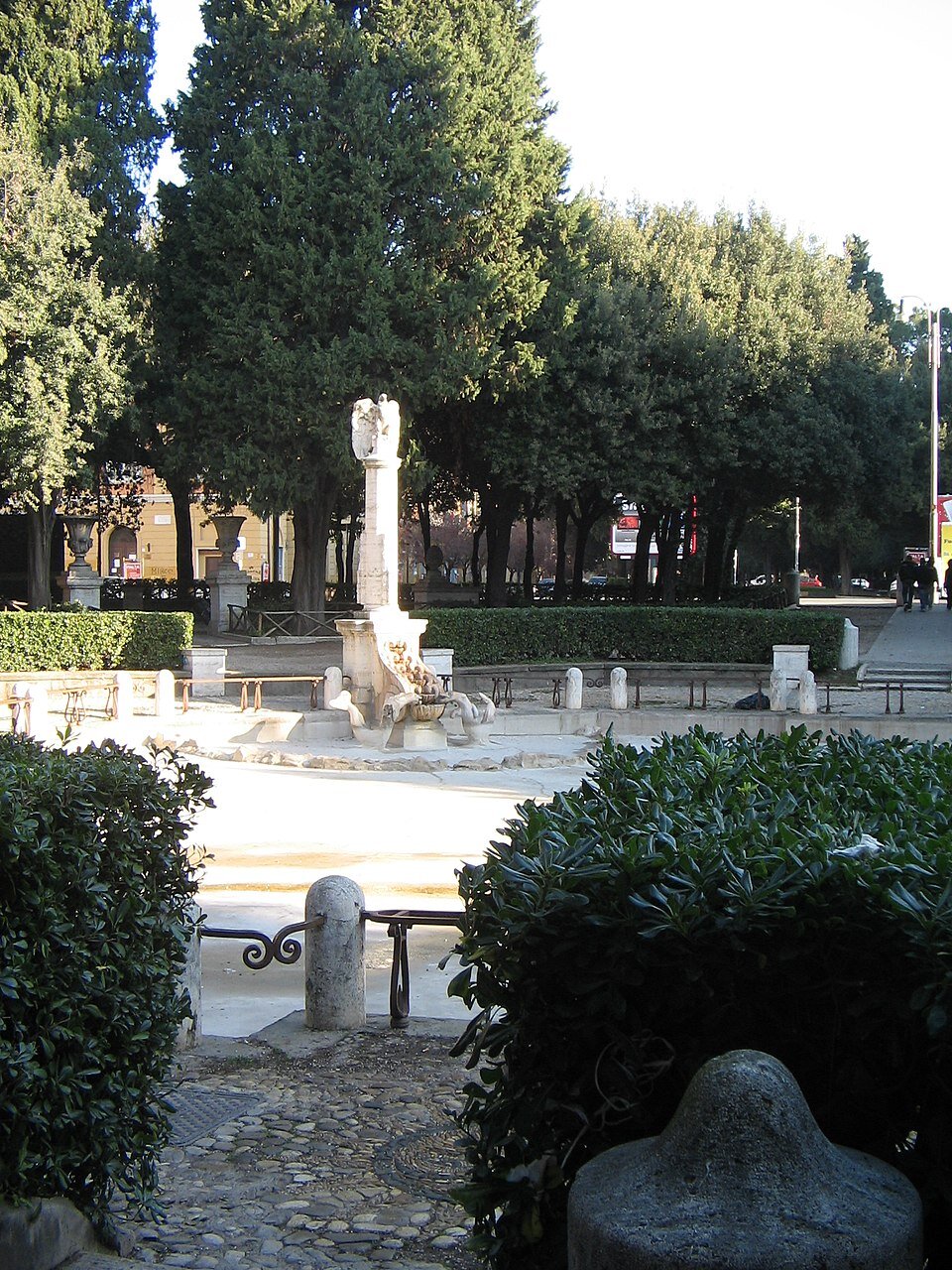
It was 1911 when Rome hosted the Universal Exposition for the fiftieth anniversary of the Unification of Italy. A hugely important event to celebrate Italy's entry into the exclusive club of unified and most industrialized countries, at least according to the vision of the governments of the time. Above all, it was an event that, as often happens in Rome, led to almost epochal changes, with the construction of buildings that still today remain impressed in the minds of locals and tourists. For example, I think of the headquarters of the National Gallery of Modern Art, another focal point of the 1911 Universal Exposition. So what better occasion than an exhibition of the best Italy had to offer to celebrate itself? And that's why right here, in the area of today's Piazza Mazzini, a triumphal arch with three arches was erected (clearly inspired by Roman tradition, after all, as you can read here) that led towards a beautiful central lake adorning the area. All around were the sixteen regional pavilions that were meant to showcase the excellence of each local territory, to show just how wonderful and full of discoveries Italy was. Certainly, no expense was spared, considering that the great Marcello Piacentini, ever-present at the time, was the architect chosen to design the entire area.
After all, the very Ponte Risorgimento, just behind the square, still today celebrates the progress that was so highly praised. Inaugurated just a few days after April 21st of that year, this is the first reinforced concrete bridge in Rome. It's just another way to remind us that the Eternal City is not stuck in its glorious and majestic past, as much water has flowed under the bridges, in every sense, and will continue to do so. And what was once Piazza d'Armi (so called because historically armies, often hostile to Rome, camped here) reminds us how Rome has sometimes been able to look ahead, to the future. And never like the whole area of Prati, the last district added to those of the Urbe, (an area full of surprises, from the enormous Palazzaccio to a statue which created a great scandal), does it remind us of this.