

There is no doubt: Trajan's Column is one of the symbols of ancient Rome. An impressive and splendid monument, capable of enchanting tourists, visitors and citizens for centuries. During a peaceful tour in the historic center of Rome, a walk through history, I always stop here in front of it, to make people understand the importance of this artifact. As a tour guide, and history lover, this is a must see.
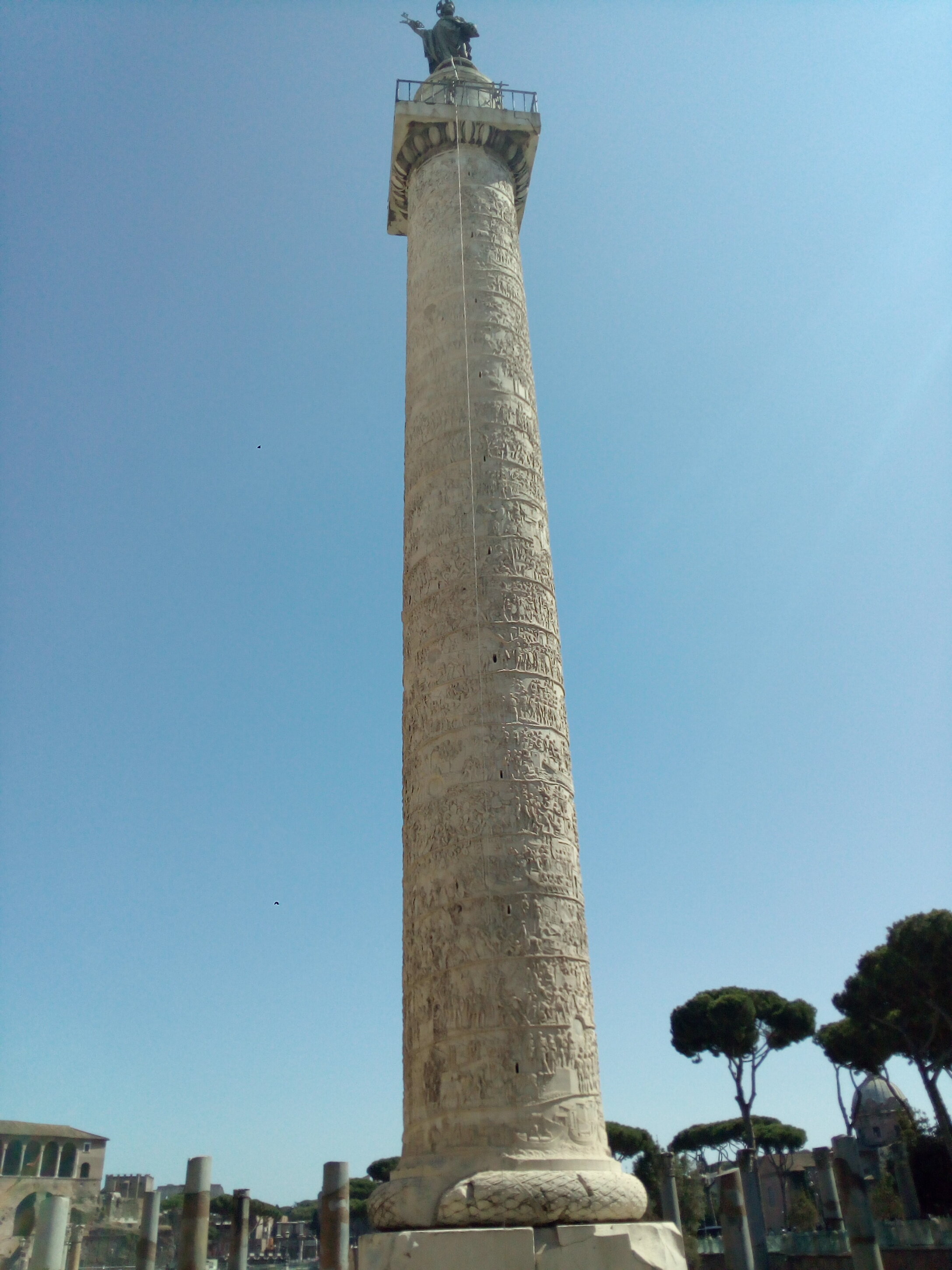
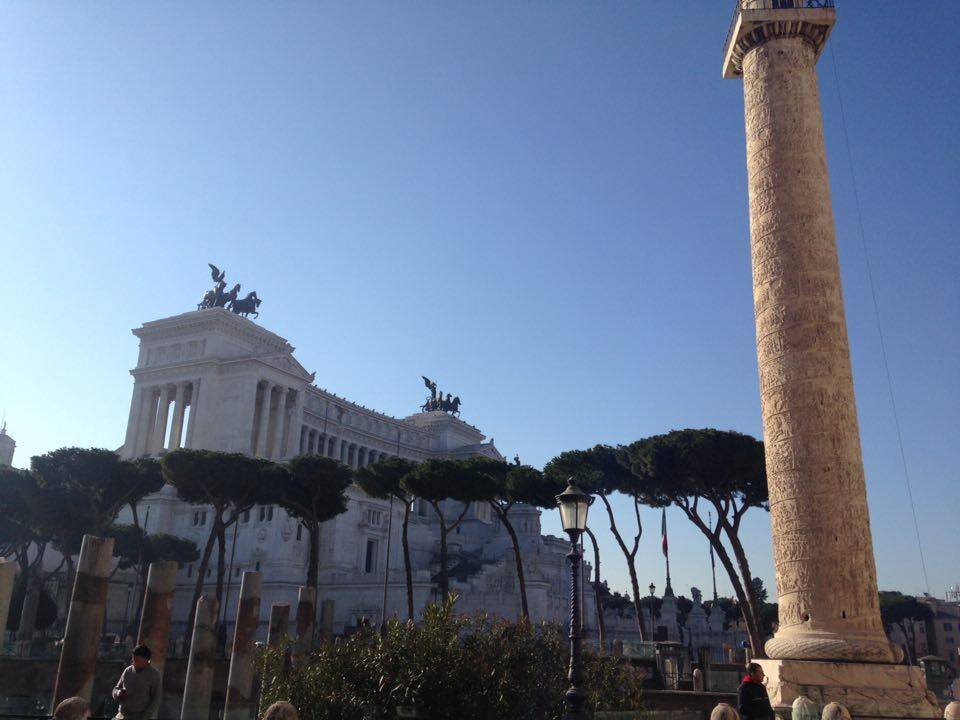
The Trajan's Column has stood 38 meters high in the sky over Rome since 113 AD when, under the direction of the famous architect Apollodorus of Damascus, this monument was erected in imperishable memory of the emperor Trajan. After two war campaigns (101-102 and 105-106 AD), Trajan definitively succeeded in defeating the tenacious, fearless and fearsome King of the Dacians, Decebalus . Already capable of defeating the legions of Domitian, Decebalus was an indomitable man, who preferred to commit suicide rather than suffer the shame of arriving in Rome as a prisoner or, worse, as a war trophy to show off in favor of Trajan, the emperor who most of all he will be able to embody virtues such as strength, will, intelligence and courage. It is no coincidence that the Senate granted him the appellation optimus princeps, which certainly does not require any explanation regarding the dignity and honor it generates. This marble column represents a heartfelt gift from the Senate and the people of Rome. There are 17 circular marble blocks (like donuts) fixed one above the other by means of four small internal bolts. One of the Romans' little engineering secrets... All this to allow for the digging of a central hole in which to install a stairway, which still exists today, perhaps used by the emperor himself to look down on the city... The fantastic reliefs , probably originally polychrome and colored with strong and lively tones, they revolve 23 times around the stem. They tell all the events and episodes of the Dacian wars: construction of roads and fortifications, battles and sieges, emperor's speeches and enemies fleeing, barbarians killed and divine aid, as well as the death of Decebalus. A real compendium of Roman military art, with Trajan assumed as a symbol. After all, he managed to be preferred by others for the accession to the throne thanks to the military exploits and the ability as a soldier and legate that he had shown in his youth. Almost a demiurge for the soldiers, he loved marching at the head of the army, as hadn't happened for a long time, sharing everything (even the hard march, the freezing nights or the hot days) with his fellow soldiers . And this marble column, once polychrome, as high as the level of the ground completely excavated to make way for it and the enormous complex of the Forum of Trajan, represents just this: honor and glory of the emperor, who for the good of Rome defeated implacable and dangerous enemies.
It is no coincidence that his tomb was installed inside the marble base that supports the column: a golden urn containing his ashes. A dreamer, Trajan, who probably wanted to follow in the footsteps of the leader Alexander the Great, subjecting Mesopotamia and beyond. Perhaps Trajan wanted to go all the way to India, but the harsh war campaign, the unfavorable climate and terrain, perhaps reluctantly pushed him to back down. It was in 117 AD that Trajan breathed his last in Selinunte. He certainly had the satisfaction of knowing that his deeds were celebrated throughout the Empire and above all in the Urbe, the city par excellence. With this fantastic column, a veritable volumen (a roll) visible from all over Rome, his conquests and battles, which he loved so much, still today taste eternal...