

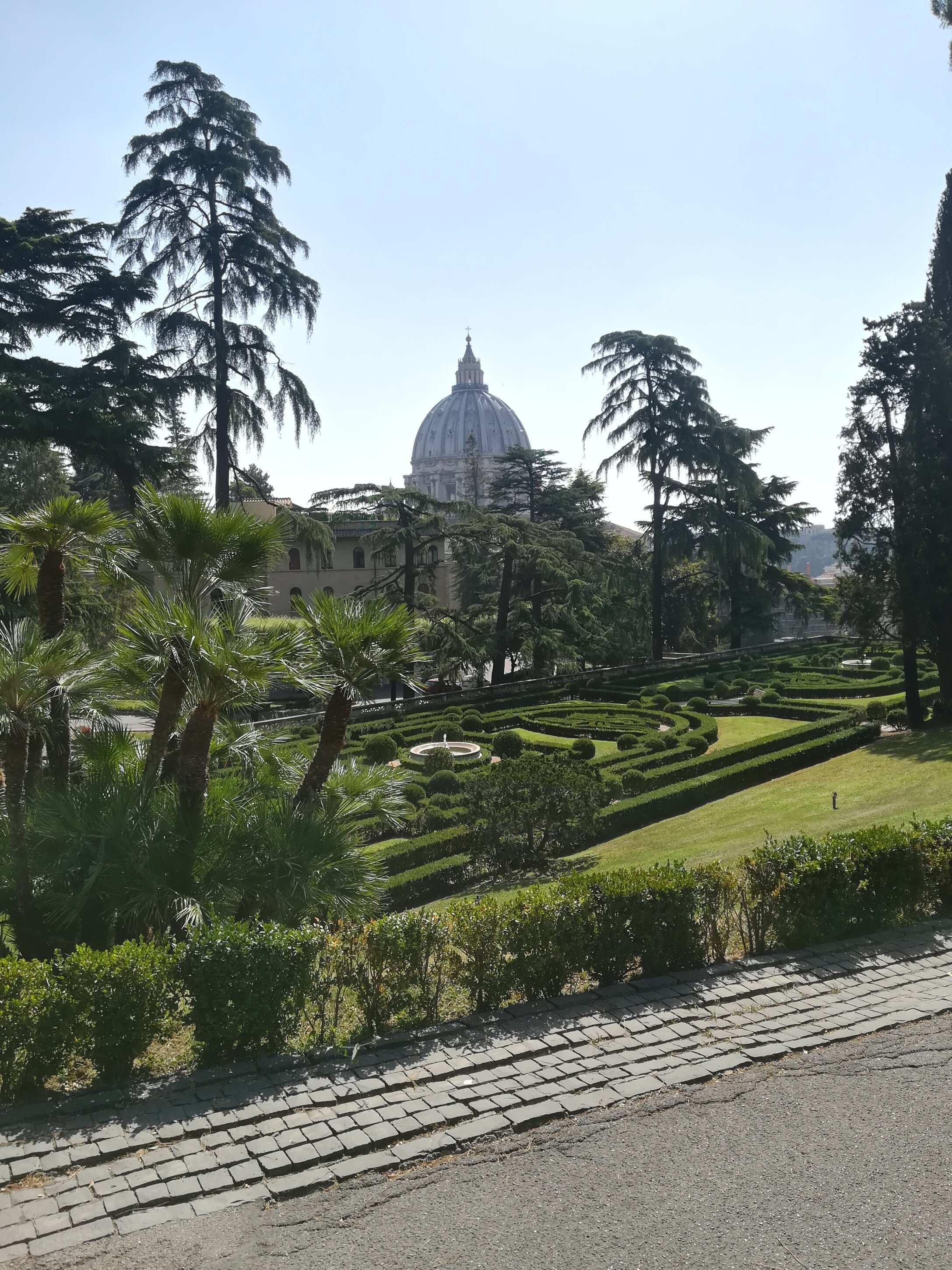
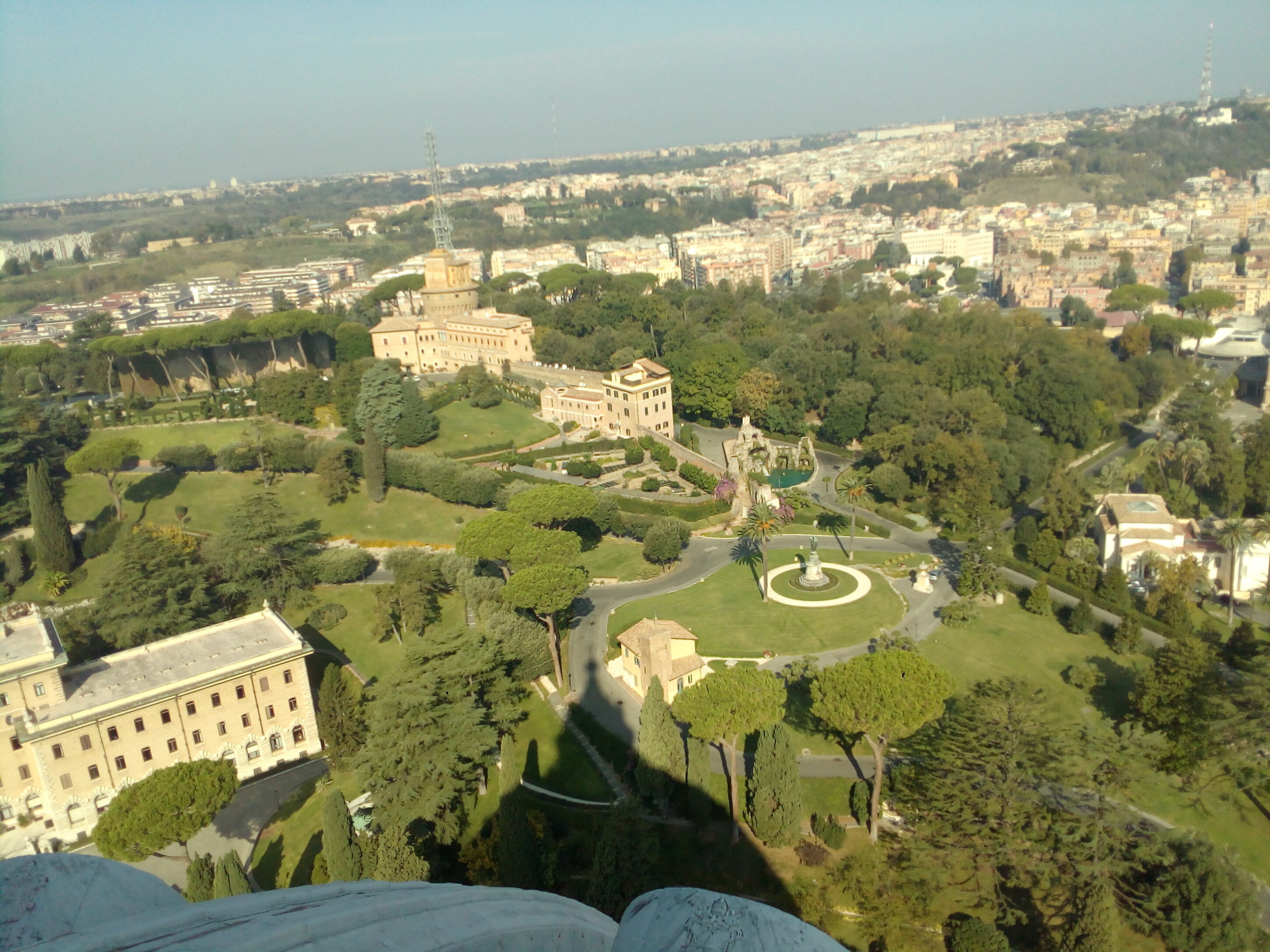
Usually my tours of the Vatican Museums only include the museum area and the Sistine Chapel. But, on closer inspection, the Vatican State offers much more such as, for example, its incredible gardens. Imagine that from the top of the dome it is very easy to see the greenery of the Vatican Gardens, the resting place par excellence of the popes who used, and still do, to stroll and relax here. If you manage to find the right tickets, I recommend walking around these gardens, because it is really worth it. But when did the story of the Vatican Gardens really begin? From 1279, when pope Niccolò III Orsini moved definitively from the Lateran seat to the one located in the Vatican hill area.
A move that made history, considering that it was precisely from that year that the papacy had its fulcrum here, then giving impetus and prestige to what was to be the Vatican State. Initially, Niccolò III arranged in his garden a small lawn (pratellum) , an orchard (pomerium) and a real "Roman-style" garden (viridarium). It was something simple but functional at the same time. Everything had to serve for the pontiff 's spiritual sustenance. Fruits, trees, hedges and flowering plants (strictly surrounded by walls for the Pope's personal safety) acted as elements of distraction from everyday problems, just as they were useful for gladdening the spirits of the illustrious guests. Obviously, everything changed during the Renaissance, when the pope began to surround himself, as was the custom, with a real court . That was the period in which the papal curia was transformed into a real lordship. Architects such as Pirro Ligorio (very active at the time and who worked, for example, also in Tivoli), enlarged the gardens by adding villas (the well-known Casina di Pio IV clearly visible from the Vatican Museums), large green spaces, larger hedges and plants always different.
There are turrets used as residences, such as that of the Radio or Gregoriana, but also incredible fountains, some of which are truly particular. I mention, for example, the so-called Fontana dell'Aquila, built on a project by Vasanzio, at the beginning of the 1600s, at the behest of pope Paul V Borghese (whose family he belonged to had an eagle in its coat of arms). But I also add, among the curious fountains of the Vatican City, also the one called della Galera: a sort of vessel from which, instead of cannons, water comes out! Urban VIII appreciated it very much, so much so that he left us a small poem in his honor: "Bellica Pontificem non fundit machina flammas/Sed dulcem belli qua perit ignis aquam" (The war machine of the popes does not shoot flames, but the sweet water that extinguishes the fire.) Finally, let us not forget that the Vatican Gardens ooze history thanks, for example, to a section of the first Vatican Walls, built in the 9th century AD. Or to remember how, being private gardens, walking along its paths one can retrace the steps of numerous popes, such as those left by St. John Paul II, who loved jogging here, a dive into the past and into history, for very special gardens in Rome and in the Vatican City .