A very ancient necropolis, years ago, was found in the heart of the Roman Forum, to shed light on the origins of Rome itself.
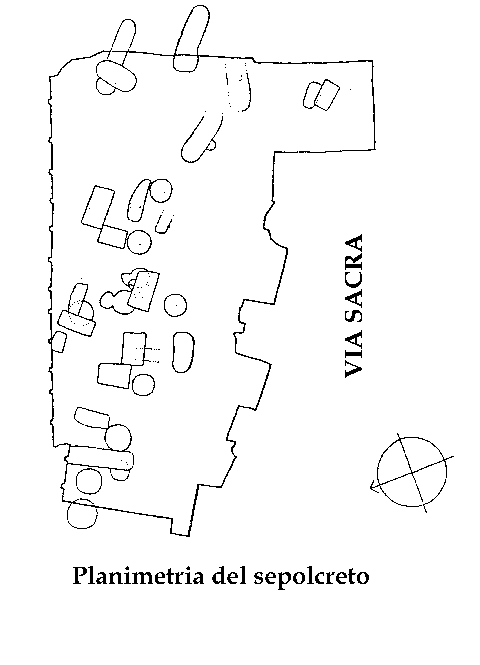
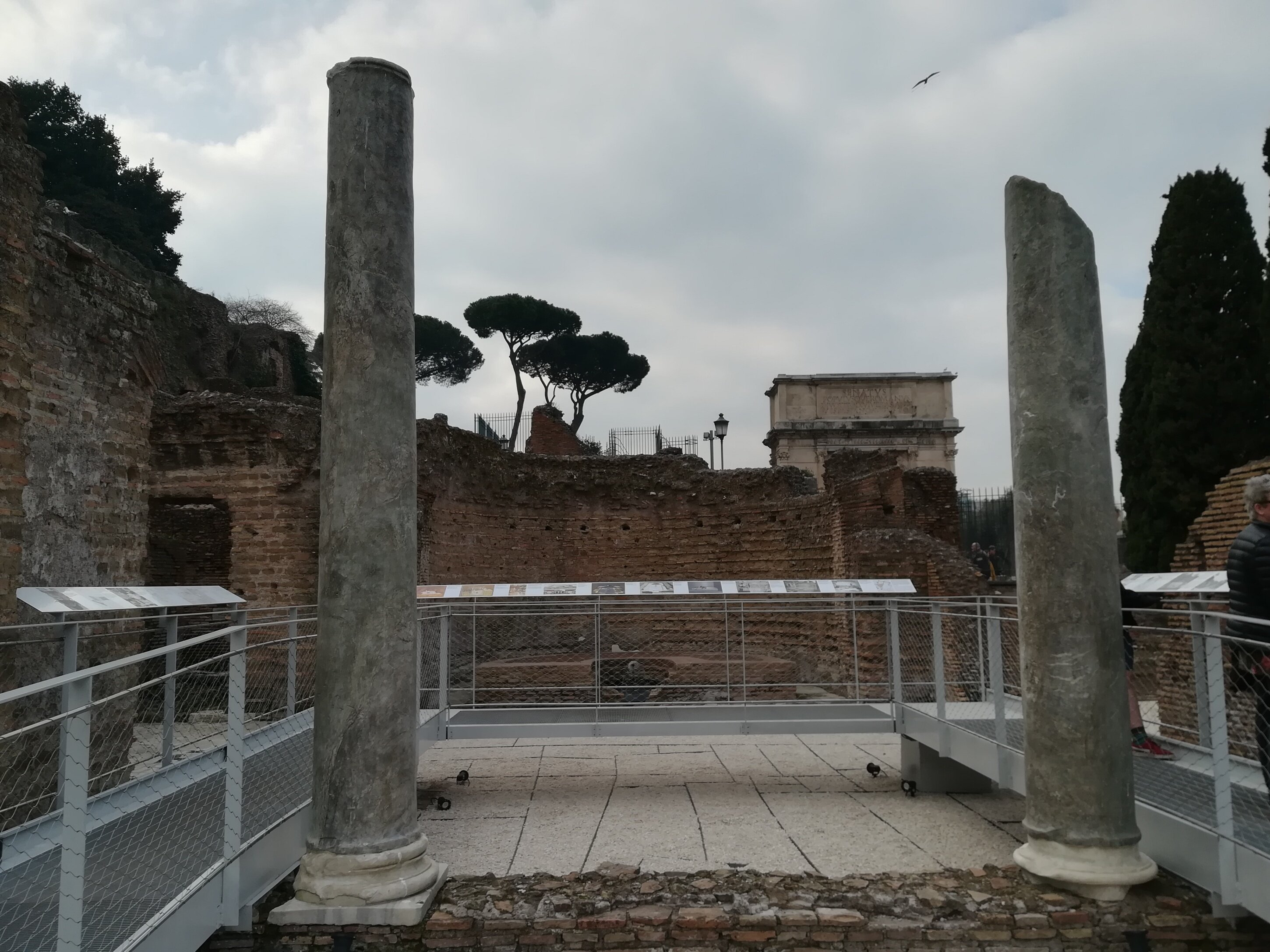
We know that the Roman Forum is a true crossroads for the history of the Urbs, the area where the political, social and religious life of Rome received a grand impulse, leading the Eternal City to dominate the world. Over the centuries, countless excavation campaigns took place, which also ended up overturning the whole area (as you can read here), but it is certain that, especially here in the Roman Forum, when you dig you find something. And right near the Temple of Antoninus and Faustina, in 1902, something truly astonishing came to light: an archaic burial ground. A real necropolis, 41 graves used over time. The six oldest, just think, date back to the 10th century BC, while the others can be dated to the 9th century BC. We are talking about a period before the official foundation of Rome. We are talking, therefore, about a small area that helps us understand that there is much more than the official history we are used to thinking about.

In my view, your tour guide in Rome is simply fascinating, as the discovery and observation of these tombs can tell us a lot about life—especially regarding the cult of the dead—of men and women who lived three thousand years ago. Consider that the tombs of the first group, the more archaic ones, are made up of a small dolio in which the ashes of the deceased were placed, together with the corresponding funerary goods. We are, therefore, in the presence of the practice of cremation, something common to many human communities and civilizations of the time. Part of the tombs of the second group, instead, are characterized by the use of the practice of inhumation. Just like the Etruscans, for example, here too we witness a change in the ritual of burial. The community grows larger; more and more are the prominent figures to be buried; greater is the wealth accumulated by some people. And so the simple cremation, with the ashes placed inside hut-shaped urns (found here) set inside these large ceramic vessels, was no longer enough. One had to aim at something more lasting, something that could better display one’s status symbol. This is one of the features of this extraordinary necropolis. But it doesn’t end here, because the surprises of underground Rome (as you can read here), and of this necropolis, never end…
Imagine how the tombs were used over the centuries, at least until the 6th century BC. This is significant, since it is in that period, according to the historical sources we have, that for the first time the Forum valley was reclaimed from the unhealthy waters originally present, ideally linking the Palatine and the Capitoline to see an area arise used for political and religious purposes. A Rome that expands, then, that moves beyond its earliest boundaries. Consider, too, that all the most recent tombs, those dating from the 8th to the 6th century BC, are all burials of children. The reason? Because, originally, only children had the “permission” to be buried within the city walls or in the inhabited area. This, then, is further evidence of how the urban settlement had pushed as far as here, starting from the spurs of the nearby Palatine. By now it is certain that many tribes of different origins lived here, well before the appearance, so to speak, of Rome. But this burial ground shows us directly how the early urban settlement had, little by little, expanded. Going on to create a true community. The grave goods found, especially the latest ones from the 7th–6th century BC, show us how the inhabitants of the area began to divide into real social strata. Imported or imitated Greek pottery, small bronzes, fibulae or bowls. All objects indicating the privileged social status of those people who, in such an ancient age, lived in the valley of the Forum.