Here for you, today, an emblematic photo of the Centrale Montemartini, one of the strangest museum complexes in Rome, and in the world. This is such a special place that, if you visit the Eternal City, you simply can’t miss it. A place that makes the city itself different from the others, a museum that a local tour guide has the sacred duty to share because, in every respect, it can show how Rome is the city of a thousand chances and opportunities.
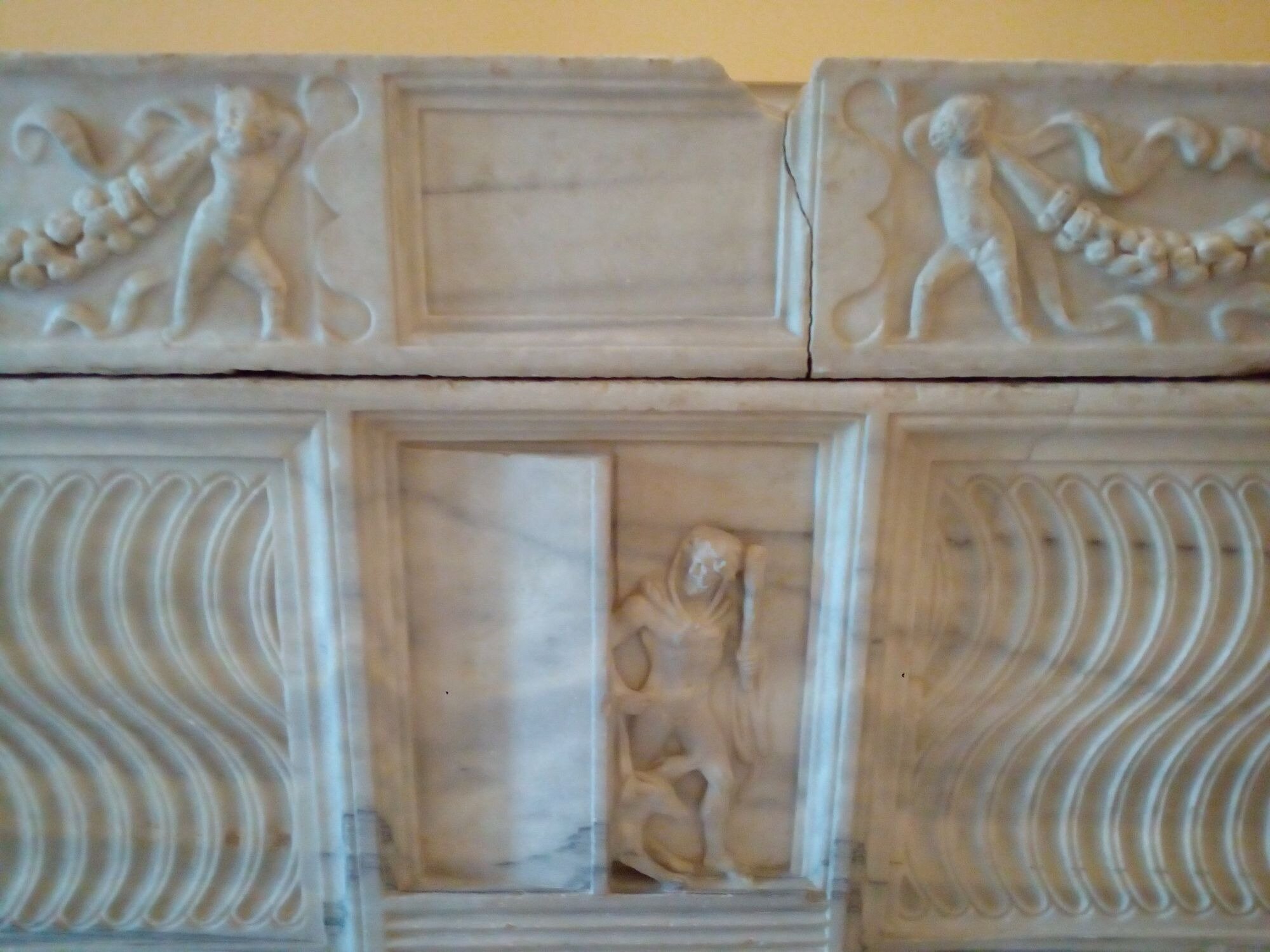
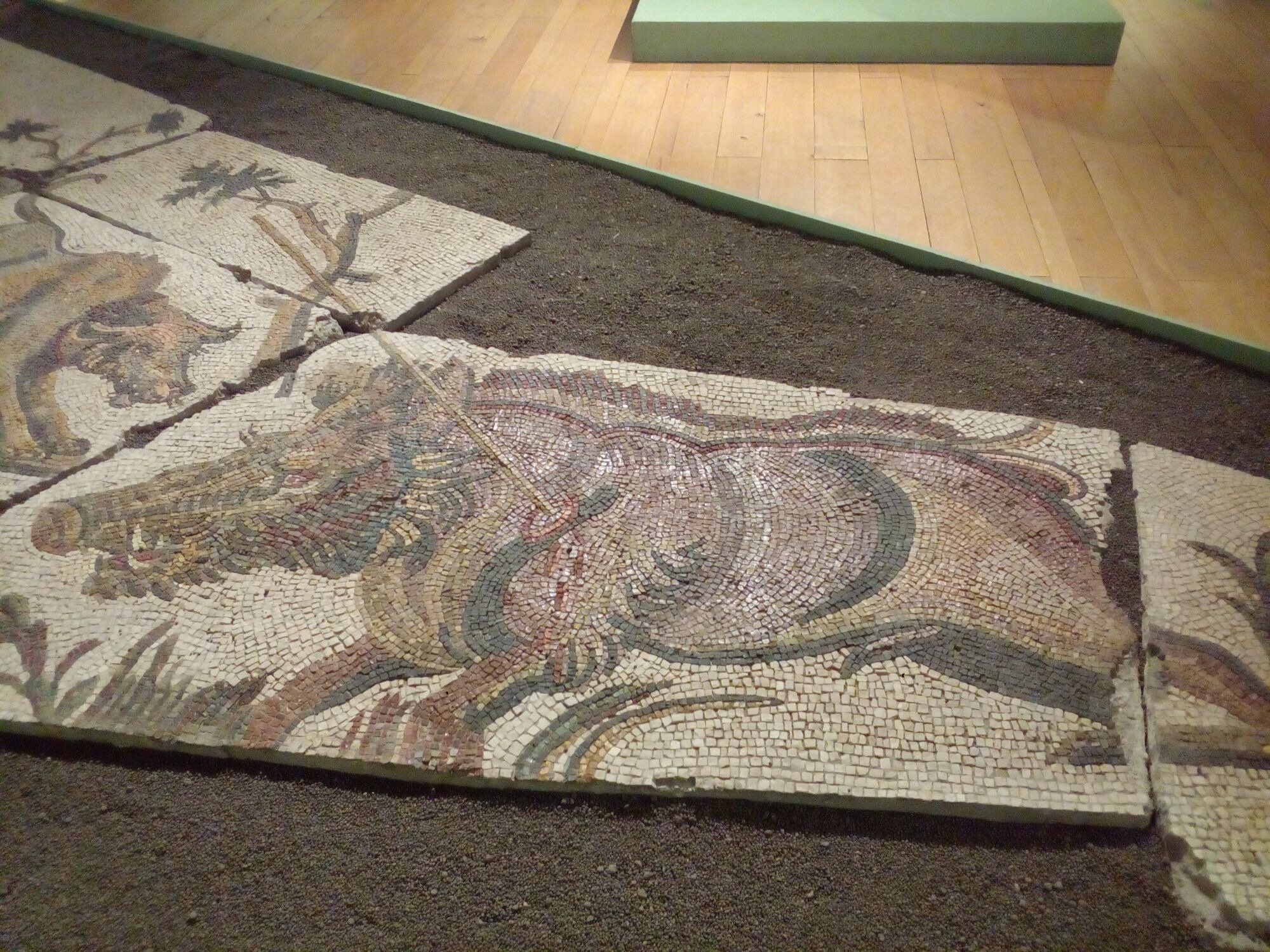
In fact, as you enter the Centrale Montemartini, you will immediately notice something unusual: numerous machines, modern and certainly not ancient, interspersed with works of classical art, above all statues, mosaics and pediments. All these unique pieces, dating back to periods even before the Roman Empire (such as some friezes from the temple of Apollo Sosianus, which can be dated to around the 5th century BC) are set within a disorienting space like that of Rome’s first thermoelectric power plant. The name comes from the Technology Councillor Montemartini, who inaugurated the complex, built near the river to channel the water needed to produce electric power, in 1912. This plant was meant to replace the not-so-obsolete Gasometer, another industrial and modern landmark of the city, located a short distance from the Centrale Montemartini Museum! Instead of using gas, the powerful Diesel engines of the Tosi company could provide more electricity with lower energy consumption and, moreover, with greater safety for workers and the city. As a result, the machinery you see here helped, in every respect, to make Rome a place that was certainly more liveable and cutting-edge, by the standards of the time.
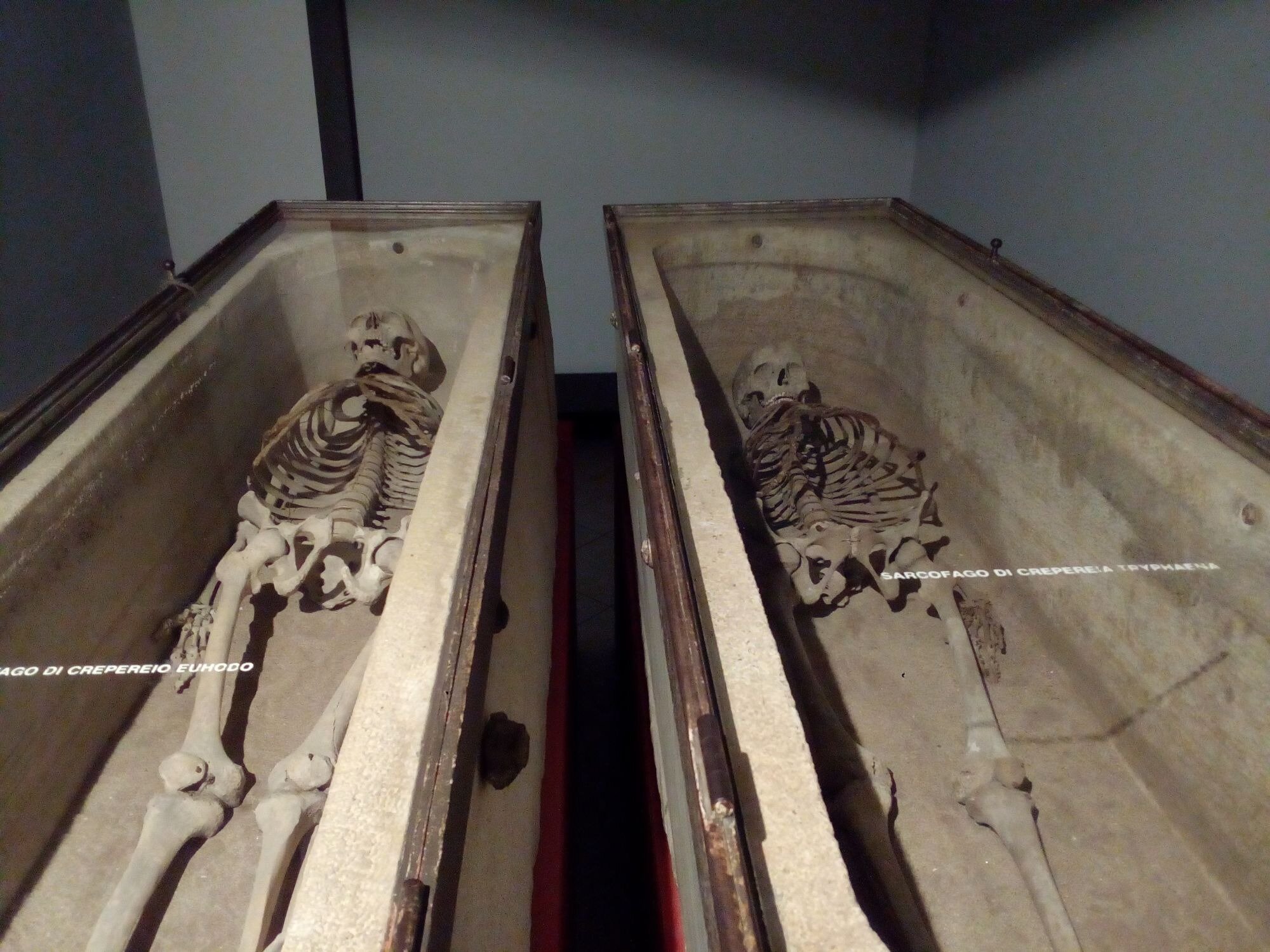
Since 1997, the Centrale Montemartini has been completely cleaned up and turned into a permanent exhibition of part of the fantastic archaeological treasure from the Capitoline Museums. A sort of branch of Rome’s history, featuring works such as the Togato Barberini or numerous mosaics, including those from the Samnite period (4th and 3rd century BC). And again, in this ongoing setting that moves between ancient and modern, we have many sarcophagi and other marble works of art from the Roman period, but also some carriages of the train used by Pope Pius IX in the mid-1800s (try clicking here). Once again, then, a continuous dialogue between our past and the modern, industrial age. In short, probably the best example of museum conversion, starting from industry, ever seen!