

We are on the southwestern slopes of the Palatine, heading towards the Circus Maximus. It is always a fantastic feeling to walk along the slopes of a place that, even for the ancient Romans, was history and myth. Where Romulus founded the city, where wealthy men of the Roman Republic lived, where the emperors built their residences. There are corners of the Palatine that literally exude history and myth, such as the Lupercal Cave. Not to mention, moreover, that over the centuries the hill was also something else, following the end of Roman civilization as we know it. What comes to mind is what the Farnese did, transforming the Palatine into a grand garden complete with nymphaea (as you can read here). But there is more, much more. It is difficult today to reconstruct something of that splendor, especially when we have only a few remains, often anonymous and without a real context. Let's look at an example.
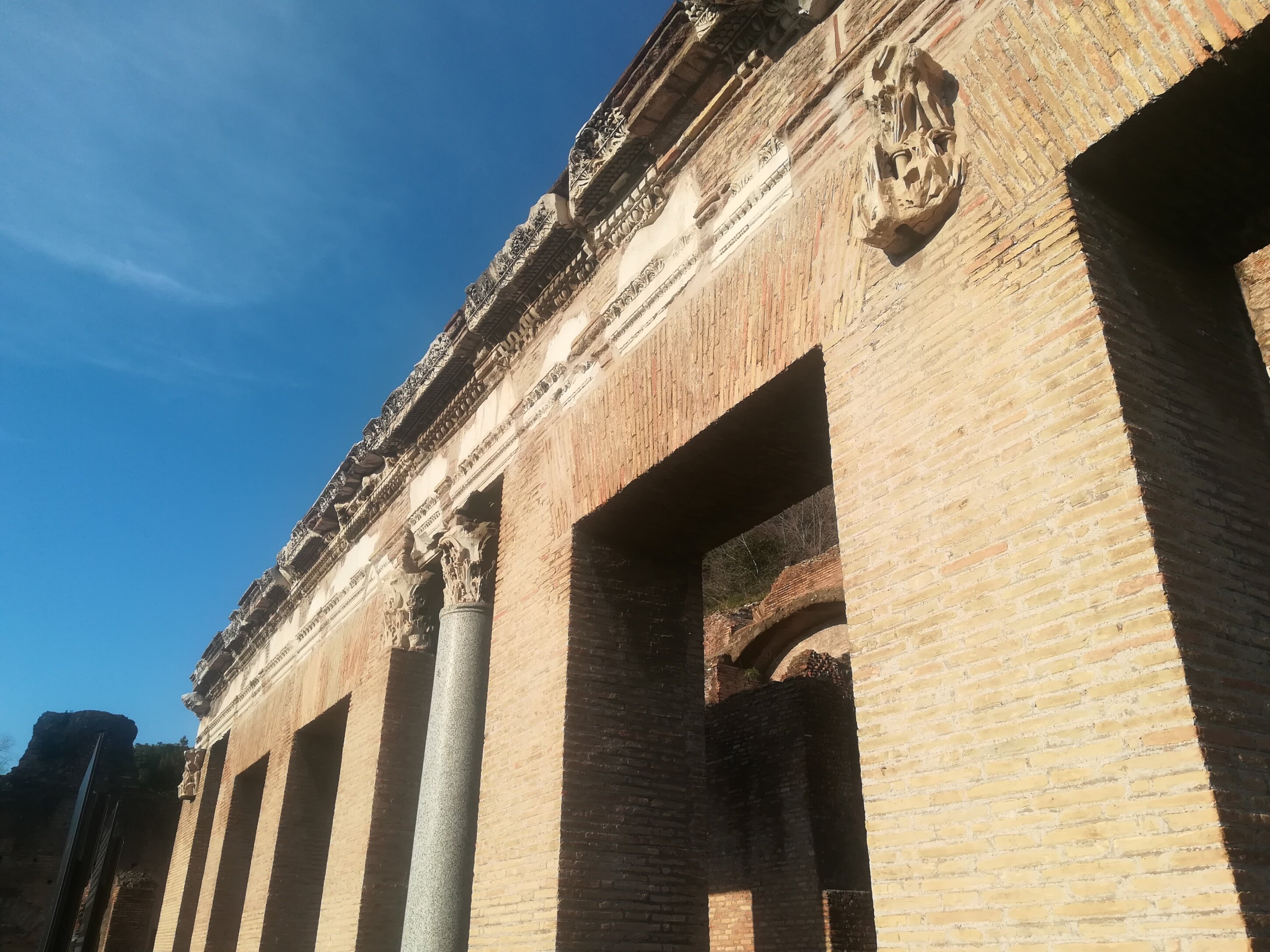
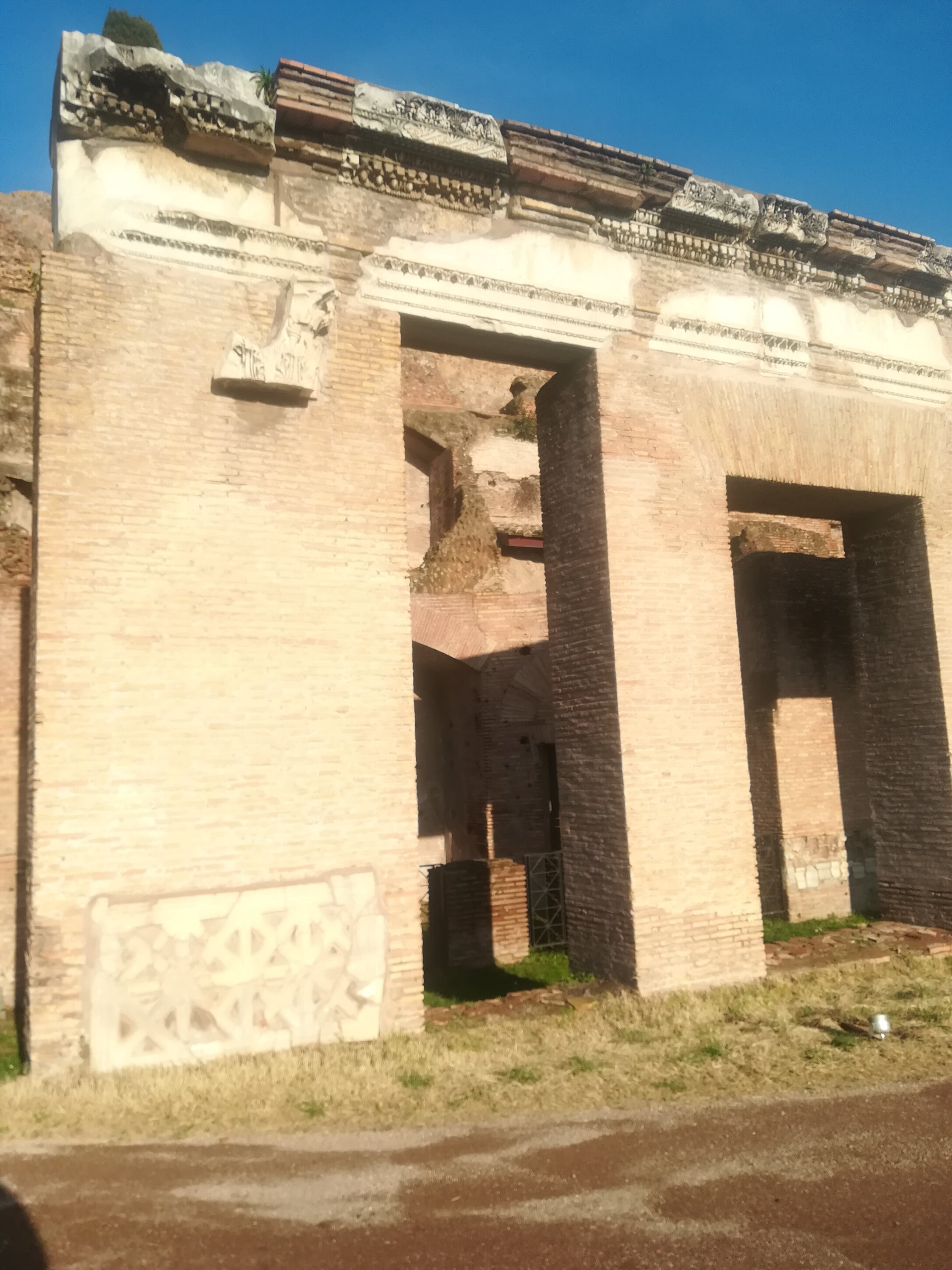
In this case, in the photo, we see what is known as the Pedagogium. Probably, according to the most accredited theory, there was a building here that was part of the imperial palace complex where the servants gathered, probably for their own education. A sort of school, in short, where even members of the court had to go to learn the basics of certain subjects. The interesting thing, from an archaeological point of view, is how often what we see today is only the result of reconstructions, sometimes arbitrary, based on those historical fragments (archaeological or literary) that we possess. Only the marble elements you see in the photo are original, while the portico is the result of a more recent restoration, based partly on imagination and partly on sources of various kinds. It is interesting to note, for example, that kind of frame in marble that lies at the beginning of one of the pillars of this reconstructed portico. Usually this element was used as a connecting point between two columns, not as their base. Just another way to understand how archaeology is often itself a mystery.





















