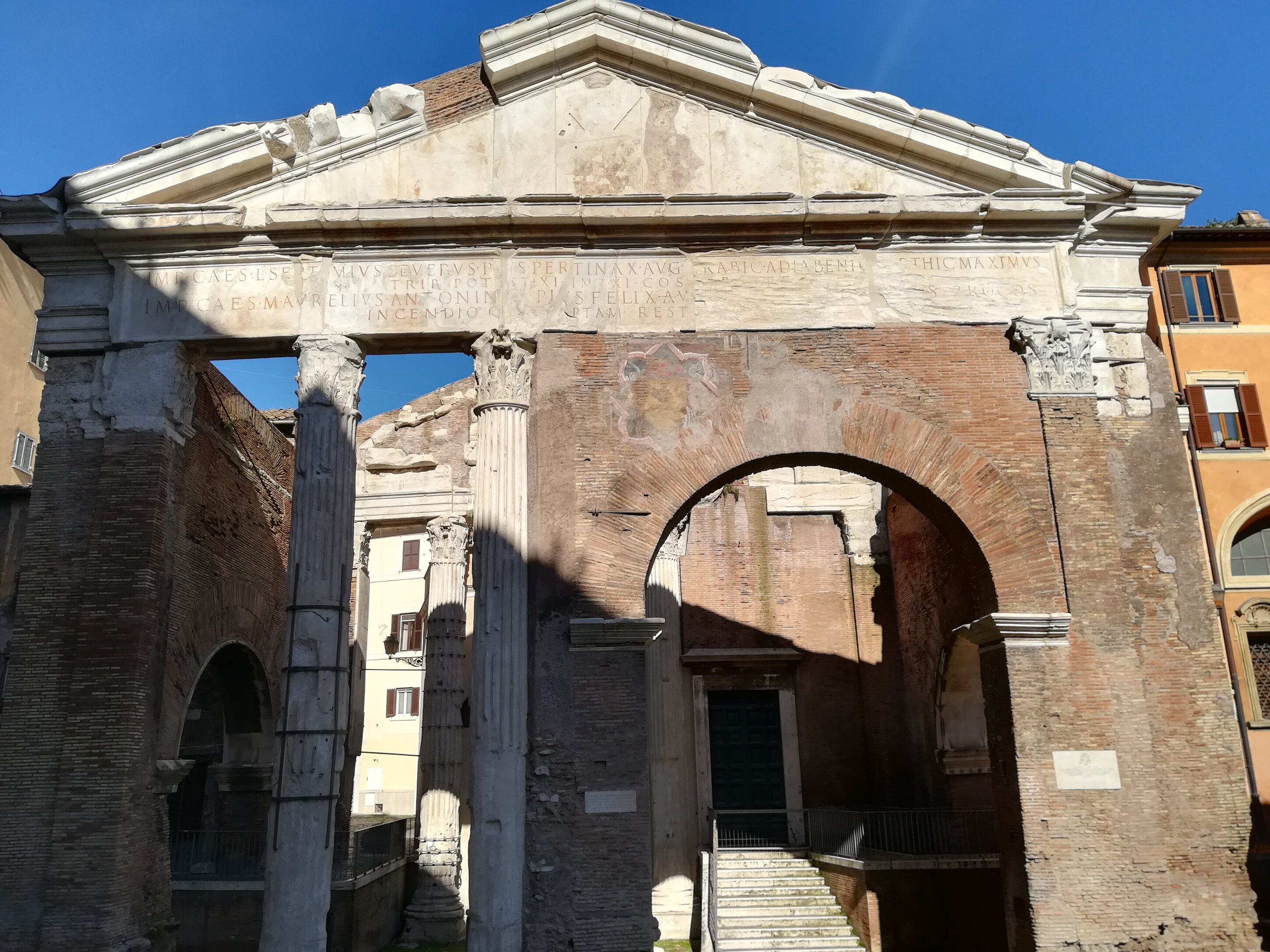
Here in the photo is a section of all that remains today, two thousand years later, of the Portico d'Ottavia, among the architectural and archaeological symbols of the Ghetto and of Rome at the beginning of the Roman Empire. One of the many fantastic views that the Eternal City can offer, and which during my tours, especially the classic walking tour, I never fail to describe. But let's now move on to see why the so-called Portico d'Ottavia deserves all our attention.
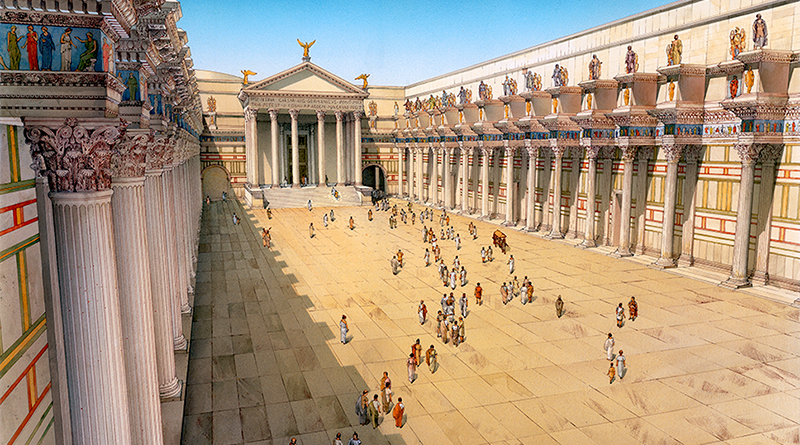
The indelible signature on what was originally a square with porticoes on all four sides completely covered in marble is that of Augustus, the first emperor (it would be better to define him as princeps primus inter pares) of Rome. He will dedicate this important architectural complex to his sister Octavia, who gave the emperor many headaches. But the story begins two centuries earlier, in 179 BC, when the consul Emilio Lepido dedicated a temple to Juno Regina. About 30 years later another consul, Caecilius Metellus, built another temple next to the first, in honor of Jupiter Stator. Why? His great military victory against the Macedonians, from which the consul's nickname of Macedonicus also derives. Not only that, because as was the custom of the time, the good Caecilius Metellus never missed an opportunity to use his new fame, even increasing it, and the treasures accumulated from the conquered territories, to give something new to the city of Rome. It was therefore Metellus who restored the ancient temple of Juno, building the new one dedicated to Jupiter at her side , and enclosing everything within an airy and fantastic porticoed square, completely paved in marble and adorned with numerous statues of Greek origin. A rather subtle way to underline how Rome, thanks also to the conquests of Metellus, really managed to penetrate Greece, flooding the city with those mirabilia daughters of Greek civilization that the Romans, step by step, began to appreciate more and more. Furthermore, it seems that Metellus also managed to place in his portico the so-called Turma Alexandri, which consisted of 24 bronze equestrian statues depicting the companions of Alexander the Great who died during the successful battle of Granicus in 334 BC, which opened the gates of Persia to the great conqueror. Fantastic works by Lysippos which were considered unique or, simply, perfect and stupendous, works also flanked by a bronze equestrian statue depicting Cornelia, the mother of the Gracchi, the first work of its kind, dedicated to a woman, of which we are aware. It's a shame that they were completely lost over time, a shame that therefore we can't really have any idea of how the porticoed area was a real open-air museum . Finally, what does Augustus have to do with all this? Simply, and as a matter of custom, he also wanted to immortalize his name with some great architectural work. As a result, Augustus promoted restoration work in the portico, building libraries, renovating the ancient temples and also creating an exedra.
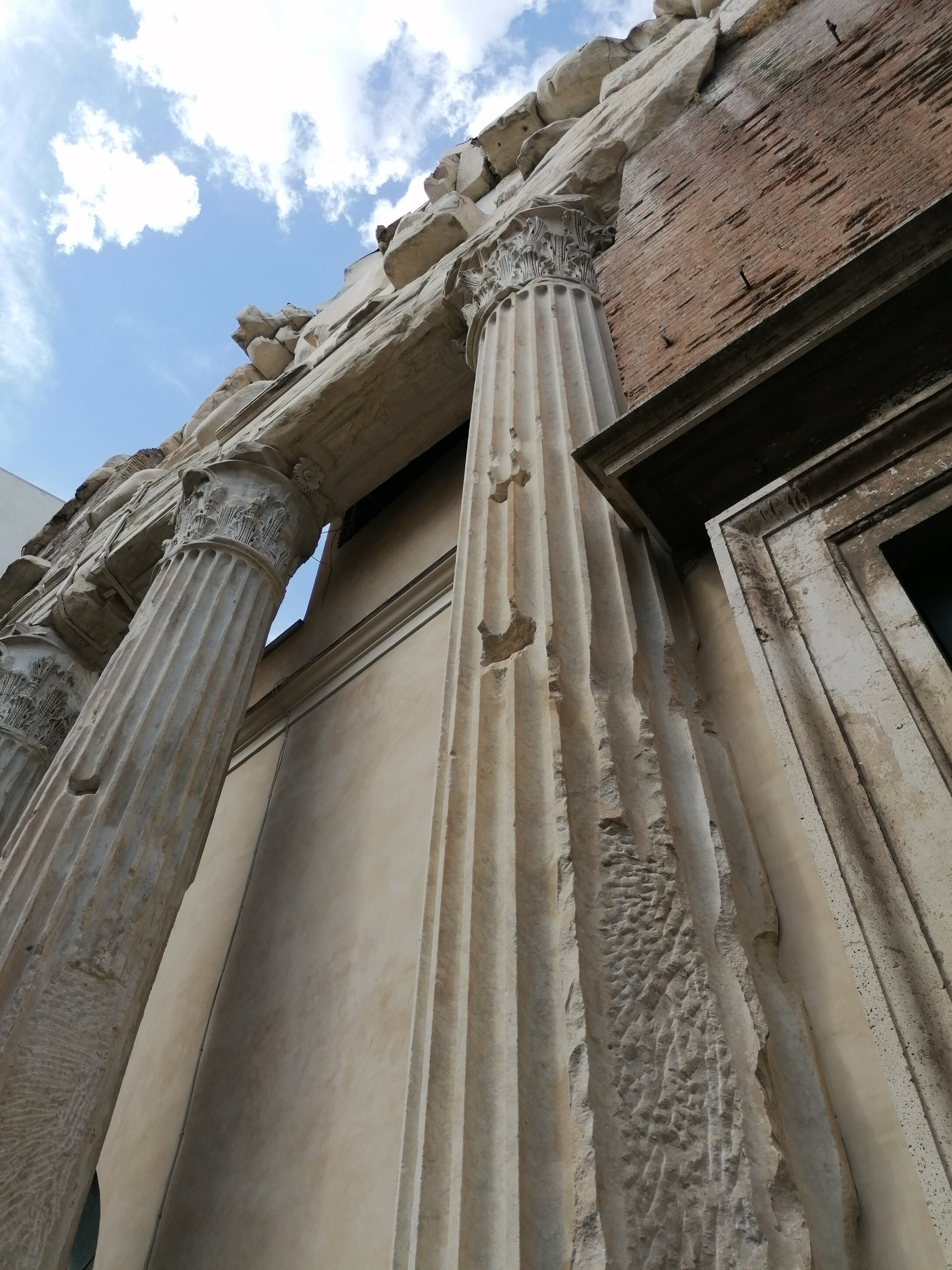
In this way he managed to leave an architectural signature on an area of Rome that was filling up with other important buildings for the population of the city, starting with the nearby Teatro Marcello (also, coincidentally, inaugurated under the principality of August…). What is left today? Only a few columns , the pediment of the entrance on this side was rebuilt at the beginning of the 3rd century AD, and other walls added in the Middle Ages due to the reuse of the site. As always, the history of Rome smells of eternity...